
LGBTQ Immigration Options in 2026: Marriage Cases

LGBTQ immigrants in 2026 still have access to marriage-based immigration. Here is a clear guide to the options available this year.

How LGBTQ Immigration Has Evolved

LGBTQ immigrants today have more protections than ever, but cases still require careful preparation. Changing country conditions and inconsistent interview standards mean applicants benefit from experienced legal support.

Marriage-Based Green Cards for LGBTQ Couples

Marriage equality remains fully recognized for immigration purposes. USCIS gives same-sex couples the exact same rights as opposite-sex couples, including:

  • Marriage-based green cards
  • Conditional residence removal
  • Fiancé(e) visas

Proof of a real relationship is still required—photos, leases, joint finances, and shared responsibilities remain important.

When LGBTQ Applicants Face Added Challenges

Complications often arise when:

  • Applicants have limited documentation
  • Applicants previously hid their identity
  • They fear disclosing their story
  • They have criminal records
  • They previously applied under a different immigration category

An attorney helps structure the case clearly and sensitively.

Every case requires personalized analysis.

LGBTQ Immigration FAQs

Do same-sex marriages count the same as opposite-sex marriages?
Yes. USCIS treats same-sex marriages exactly the same as opposite-sex marriages. As long as the marriage is legally valid where it took place, it qualifies for all marriage-based immigration benefits, including green cards, waivers, and spousal petitions.

What if I don’t have much evidence?
That’s okay. Many LGBTQ applicants have limited documentation due to safety concerns in their home countries. Your attorney can help build a strong case using personal declarations, country conditions reports, expert statements, and witness letters.

Can LGBTQ couples file a fiancé(e) visa?
Yes. Same-sex couples can file K-1 fiancé(e) visa petitions without restrictions. USCIS evaluates them using the same criteria as any other couple: proof of a real relationship and plans to marry within 90 days of arrival.

What if my family does not know I’m LGBTQ?
Your case remains confidential. USCIS does not disclose your sexual orientation or gender identity to outside parties. Your attorney also maintains full confidentiality throughout the process.

Do criminal charges affect LGBTQ immigration options?
Possibly. Some charges can delay or prevent approval depending on the type of offense. LGBTQ applicants should consult an immigration attorney immediately to understand risks and build the strongest possible case.
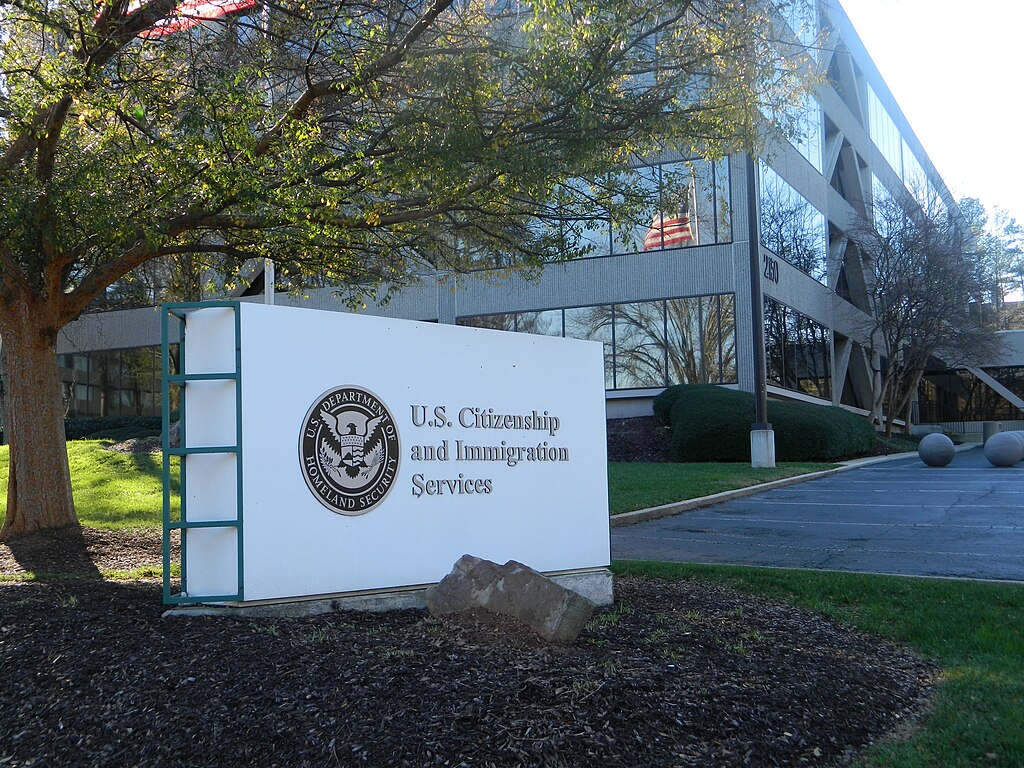

What Really Happens at a USCIS Citizenship Interview (and How a Lawyer Helps You Pass)

A USCIS citizenship interview includes a review of your N-400 application, an English test, and a civics test. An attorney can help you prepare, avoid mistakes, and respond confidently to officer questions. Here’s what to expect and how to be ready.

What the Citizenship Interview Is Designed to Do

The interview verifies that you qualify for naturalization, understand English, know basic U.S. civics, and have demonstrated good moral character. It is normal to feel nervous—USCIS officers expect that.

Step-by-Step Breakdown of the Interview

  1. Identity verification
    The officer reviews your passport, green card, license, and appointment letter.
  2. Review of your N-400 application
    You’ll be asked questions about:
  • Name and address history
  • Employment history
  • Travel outside the U.S.
  • Marital history
  • Criminal history
  • Taxes
  • Selective Service (if applicable)

Anything unclear or inconsistent may lead to follow-up questions.

  1. English reading and writing test
    You must read one sentence and write one sentence correctly. Many applicants pass this easily.
  2. Civics test
    USCIS asks up to 10 questions from the 100-question study guide. You only need to answer 6 correctly.
  3. Final decision
    You may be approved on the spot, asked for more evidence, or scheduled for re-testing.

Why Applicants Get Nervous

Common reasons include:

  • Fear of making mistakes
  • Past criminal issues
  • Tax problems
  • Difficulty speaking English
  • Inconsistent information on old applications
    Preparation solves almost all of these issues.

How an Attorney Helps You Prepare

A lawyer strengthens your case by:

  • Practicing interview questions with you
  • Reviewing your travel, marriage, and work history
  • Identifying problems before the interview
  • Attending the interview with you
  • Communicating directly with USCIS if an issue arises

Most applicants feel significantly more confident when a lawyer is present.

When You Must Bring Additional Evidence

USCIS may request:

  • Tax transcripts
  • Marriage proof
  • Proof of child support
  • Court dispositions
    Failing to provide these quickly can delay your approval.

Contact Us Today

If you want a smoother, more confident citizenship interview experience, our immigration team is here to help you prepare the right way.

USCIS Interview FAQs

How long is the interview?
Most citizenship interviews last about 20–30 minutes, but some can run longer depending on your case. If you have a long travel history, prior immigration issues, or need extra clarification, the officer may spend more time reviewing your application.

Do I need to speak perfect English?
No. USCIS does not expect perfect fluency. You only need to demonstrate basic communication skills—enough to understand questions and respond clearly. Many applicants with accents or limited vocabulary pass without any issues.

Can my spouse attend?
No. Only your attorney may accompany you into the interview room. Your spouse can come to the USCIS office, but they must wait outside unless the officer specifically requests them (which is rare).

What happens if I fail the civics test?
You get a second chance. USCIS will schedule another visit within 60–90 days so you can retake the civics or English portion you didn’t pass. Most applicants pass on the second attempt with a little extra preparation.

Will traffic tickets be a problem?
Usually not. Minor citations like speeding or parking tickets almost never affect naturalization eligibility. However, you should still disclose them if required—failing to mention tickets can create credibility issues.

Do I need to bring tax documents?
It’s a good idea. Bringing tax transcripts or joint returns can help if the officer wants to confirm good moral character, marital status, or financial responsibility. Having them on hand prevents delays or follow-up requests.

Can USCIS deny me for old mistakes?
Possibly. Even older issues—arrests, immigration violations, long periods of unemployment, or past misrepresentations—can affect your eligibility. An attorney can review your history, explain risks, and prepare responses before your interview.

Is the Cuban Adjustment Act Still Valid? Updated Guide for 2026 Applicants

The Cuban Adjustment Act (CAA) is still valid in 2026. Cubans who have been physically present in the U.S. for at least one year after entering or being paroled may still apply for a green card under the law, as long as they meet eligibility requirements and pass all background checks. Below is a simple, updated guide for applicants in 2026.

Understanding the Current Status of the CAA

Despite recurring rumors every year, the Cuban Adjustment Act remains active federal law. No administration has repealed it, and immigrants from Cuba continue to benefit from its fast-track path to permanent residence. While political discussions happen often, nothing has changed for 2026 processing.

Who Currently Qualifies Under the Act

To qualify, Cuban immigrants must meet these requirements:

  • Be a Cuban citizen or national
  • Have been inspected, admitted, or paroled into the U.S.
  • Have one year of continuous physical presence in the United States
  • Be admissible under U.S. immigration law (exceptions exist for certain grounds)

Family members may also benefit even if they are not Cuban, in some circumstances.

What “One Year of Physical Presence” Really Means

You must show proof that you have lived in the U.S. continuously for at least 12 months since your entry.
Documents that help include:

  • Pay stubs
  • Leases
  • Bank statements
  • School records
  • Medical records
  • Utility bills
    USCIS may request additional evidence if gaps appear in your history.

Processing Times in 2026

Based on trends from 2024 and 2025:

  • Most cases take between 8–14 months after filing Form I-485.
  • Work permit approval usually takes 3–5 months.
    Delays happen when forms are incomplete or evidence is missing.

How Recent Cases Have Been Treated

USCIS continues to approve CAA cases on a regular basis. Applicants with criminal records, false claims to citizenship, or past deportation orders face more complex reviews, but the law itself remains unchanged and still fully functional.

Why Legal Help Makes a Difference

An attorney helps you:

  • Gather the right evidence
  • Prepare for interview questions
  • Avoid mistakes that slow down or jeopardize your case
  • Handle criminal or prior immigration complications

Contact Us Today

If you’re applying for the Cuban Adjustment Act in 2026, Casais & Prias can help you prepare a strong, complete application. Contact our immigration team today to get started.

Cuban Adjustment Act FAQs

How do I prove I lived in the U.S. for a full year?
You can prove your year of continuous physical presence with documents that show where you lived and what you were doing during that time. This may include pay stubs, leases, bank statements, school records, medical visits, utility bills, or anything else that confirms you remained in the U.S. without long gaps.

Can I apply if I came by land or sea?
Yes. Your method of entry does not automatically disqualify you. As long as you were inspected, admitted, or paroled into the United States and meet the one-year physical presence requirement, you may still qualify under the Cuban Adjustment Act.

Does marriage affect my CAA case?
Marriage does not harm your eligibility. In some cases, it may even help your spouse or children qualify as dependents. The key requirement is your Cuban nationality—not your marital status.

Do criminal charges affect my case?
Some criminal charges can impact admissibility and slow down or jeopardize your application. Even minor issues may require additional paperwork or waivers. It’s important to speak with an attorney before filing if you’ve ever been arrested or charged.

Is asylum better than the CAA?
Usually not. Most Cubans prefer the CAA because it provides a more direct path to a green card and requires less supporting evidence than asylum. Asylum is still an option, but it involves stricter requirements and longer processing times.

Can I apply for a work permit while waiting?
Yes. Once you file your I-485 adjustment application under the CAA, you can also request an Employment Authorization Document (EAD). This allows you to work legally in the U.S. while your case is pending.

Will the CAA be canceled in the future?
There are currently no active proposals to repeal the Cuban Adjustment Act in 2026. Although political discussions happen regularly, the law remains fully in effect and continues to protect eligible Cuban nationals.