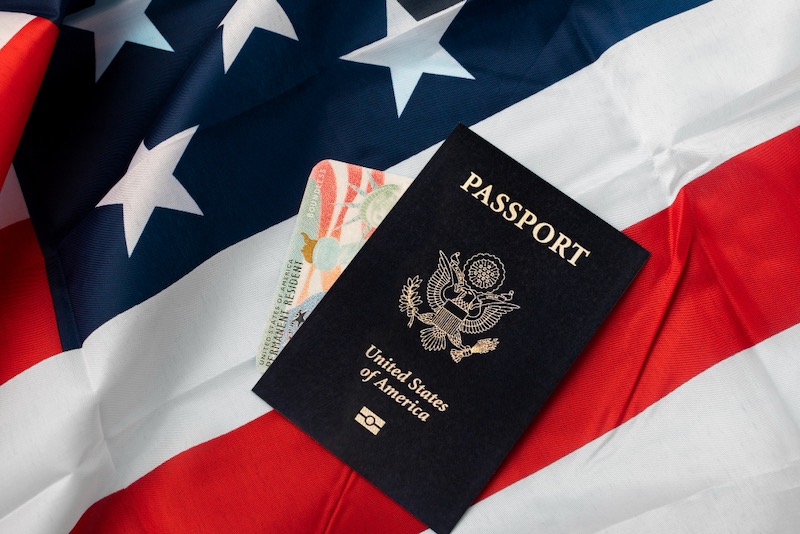
Citizenship Test Overhaul in 2026: What Immigrants Need to Know Now

In 2026, the U.S. naturalization (citizenship) test is undergoing its most significant overhaul in years. The changes are designed to modernize how civics knowledge is evaluated, expand language access, and update study materials to reflect how applicants learn today. Immigrants planning to apply for U.S. citizenship should understand how the test format is evolving, what subject areas may expand, and how to prepare effectively under the new framework.

While some regulatory details may continue to be finalized into early 2026, USCIS has made clear that the direction of the changes emphasizes broader civic understanding, digital learning tools, and a more comprehensive evaluation process. Applicants who begin preparing now will be better positioned to succeed once the updated test is fully implemented.

What Is Changing in the Citizenship Test for 2026

The citizenship test has traditionally followed a familiar structure, but several elements are being revised. These updates affect what applicants study, how they prepare, and how the test is administered during the naturalization interview.

Overview of Key Changes

Test Element Pre-2026 Version 2026 Version (Proposed / Expected)
Civics Questions 100 possible questions Expanded pool, potentially up to 250 topics
Language Requirement English speaking, reading, and writing Continued English requirement with expanded support options
Study Materials Static list of 100 Q&A Digital, interactive study resources
Passing Standard Correctly answer 6 of 10 questions Expected to remain around 60%, applied to a broader question pool

While the passing score itself may not change dramatically, the scope of material applicants are expected to understand is broader. This means preparation strategies must adapt.

Expanded Civics Topics in the New Test

One of the most notable aspects of the 2026 update is the expansion of civics subject matter. Rather than focusing narrowly on memorization, the revised test aims to assess a deeper understanding of how U.S. democracy functions today.

Expanded civics topics may include modern federal government structure and responsibilities, the roles of state and local governments, civic participation in a digital age, and a wider range of U.S. history covering additional time periods and social developments.

Applicants should expect questions that connect historical principles to present-day governance, reinforcing the idea that citizenship involves ongoing civic engagement rather than rote knowledge alone.

Study Resources and Preparation Costs

USCIS is placing greater emphasis on accessible, modern study tools. Many official resources remain free, while optional supplemental resources may involve modest costs depending on how applicants choose to prepare.

Resource Type Description Typical Cost
USCIS Official Study Guide Online and downloadable materials Free
USCIS Citizenship App Interactive practice questions Free
Third-Party Apps Supplemental quizzes and lessons $5–$50
Citizenship Classes Community or nonprofit courses $0–$300
Private Tutors One-on-one instruction $30–$100 per hour

Applicants are not required to pay for preparation resources, but structured study plans and guided practice can be helpful for those who want additional support.

Updated Naturalization Process With the New Test

The overall naturalization process remains familiar, but applicants should expect the testing portion to reflect the updated content and format.

The process begins with submitting Form N-400, ensuring eligibility requirements such as residency, physical presence, and good moral character are met. After filing, applicants receive an interview notice and attend a naturalization interview with a USCIS officer.

During the interview, applicants complete the updated civics test along with the English speaking, reading, and writing components. Once the interview is complete, USCIS issues a decision. Approved applicants are then scheduled for an oath ceremony, where they officially become U.S. citizens.

How Applicants Should Prepare Now

Preparing early is especially important during periods of transition. Applicants should download the most current USCIS study materials, even if the final version of the test is still being phased in. Familiarity with both traditional civics topics and newer subject areas provides a strong foundation.

Joining community-based study groups or citizenship classes can help reinforce learning, particularly for applicants who benefit from structured instruction. Practicing with mock tests and interactive tools can also reduce anxiety and improve test performance.

Staying informed through official USCIS updates is critical, as final guidance may clarify exactly how expanded question pools and language options are implemented.

2026 Citizenship Test FAQs

What is changing in the U.S. citizenship test in 2026?
The 2026 citizenship test update expands the civics question pool, modernizes study materials, and emphasizes broader civic understanding while maintaining core English language requirements.

Will the passing score for the citizenship test change?
The passing score is expected to remain around 60 percent, but it may be applied to a broader range of civics topics, making preparation more comprehensive.

Do applicants need to use paid study resources to pass the test?
Paid resources are not required. USCIS provides free study guides and tools, though some applicants choose supplemental resources for additional practice.

Are language requirements becoming stricter?
The English language requirement remains in place, but USCIS is expanding support options and learning tools to help applicants prepare more effectively.

When should applicants start preparing for the new test?
Applicants should begin preparing as early as possible, especially if planning to file in late 2025 or 2026, to ensure familiarity with both existing and updated test materials.

Who will be required to take the updated 2026 citizenship test?
Applicants whose naturalization interviews are scheduled after the updated test is implemented will generally be required to take the new version, regardless of when they submitted their application.

Will older applicants or long-term residents still qualify for exemptions?
Age- and residency-based exemptions remain available for qualifying applicants, including modified testing requirements or exemptions from the English portion of the exam.

What happens if an applicant does not pass the citizenship test on the first attempt?
Applicants who do not pass the test on their first attempt are typically given a second opportunity to retake the failed portion within a specified time frame.
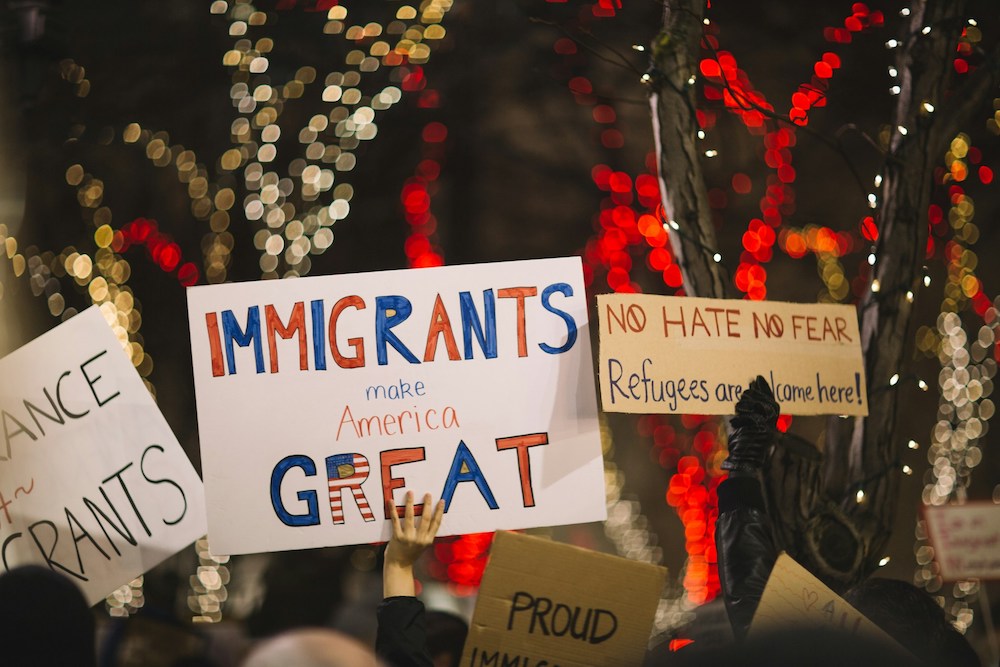

Immigration Policy 2026: Key Updates for Cuban, LGBTQ+, and Family-Based Applicants

Same-sex spouses continue to qualify for marriage-based immigrant visas on the same legal footing as opposite-sex spouses under U.S. immigration law. Federal marriage equality precedent ensures that lawful marriages, regardless of the genders of the spouses, are recognized for immigration benefits. As the U.S. immigration system moves into 2026, however, procedural and policy changes are shaping how these applications are reviewed, documented, and processed. While eligibility remains intact, the process itself is becoming more demanding.

At the same time, family-based immigration overall is facing historic backlogs, evolving administrative priorities, and renewed focus on admissibility standards such as public charge and financial self-sufficiency. These shifts affect not only same-sex couples but also U.S. citizens and lawful permanent residents petitioning for family members.

This guide explains what has changed, why it matters, and how applicants can prepare.

Same-Sex Marriage and Green Card Eligibility in 2026

Marriage-based immigration remains one of the most common and reliable pathways to lawful permanent residence. Same-sex spouses of U.S. citizens and green card holders continue to be eligible under the same standards applied to all married couples. Immigration officers are required to evaluate these cases without discrimination and using the same statutory criteria.

What has changed in 2026 is not who qualifies, but how closely cases are reviewed.

USCIS has increased its emphasis on documentation, consistency, and evidentiary completeness across all marriage-based filings. Same-sex couples, like all applicants, should expect more detailed requests for proof that the marriage is bona fide and not entered into solely for immigration purposes.

Key areas of scrutiny include shared residence, financial interdependence, and the history of the relationship. While these factors have always mattered, they now carry greater weight during both the petition stage and the interview process.

Immigration Impact Overview for Same-Sex and Family-Based Applicants (2026)

Immigration Area What Has Stayed the Same What Has Changed in 2026
Same-Sex Marriage Recognition Fully recognized under U.S. immigration law No change to eligibility
Marriage-Based Green Cards Marriage must be bona fide Higher documentation standards
Family-Based Petitions Petitions still accepted Larger backlogs and slower processing
Consular Processing Required for many applicants Appointment delays increasing
Public Charge Review Case-by-case analysis Greater emphasis on financial proof

Important Adjustments Affecting Marriage-Based Cases

Several administrative shifts are shaping how marriage green card applications are handled in 2026.

Stricter documentation expectations
Applicants are increasingly expected to submit well-organized, comprehensive evidence at the outset. This includes joint financial records, proof of shared living arrangements, insurance policies, tax filings, and correspondence demonstrating a genuine marital relationship over time. Incomplete submissions are more likely to result in delays or requests for additional evidence.

More detailed interviews
Marriage-based interviews are becoming more thorough. Officers may ask detailed questions about daily routines, shared responsibilities, travel history, and long-term plans. The goal is consistency and credibility rather than any particular type of answer.

Renewed focus on officer training
USCIS has reaffirmed internal guidance emphasizing equal treatment of same-sex marriages under immigration law. This includes sensitivity training and policy reminders intended to ensure uniform adjudication nationwide. While this does not change legal standards, it reinforces procedural fairness.

Family-Based Immigration Backlogs and Processing Delays

Family-based immigration remains the largest category of permanent immigration to the United States. Demand continues to exceed available visa numbers, resulting in significant backlogs that have grown steadily over recent years.

By 2026, millions of family-based petitions remain pending worldwide. These delays affect spouses, children, parents, and siblings of U.S. citizens and lawful permanent residents, particularly those subject to annual numerical limits.

Immediate relatives of U.S. citizens are not subject to visa caps, but they are still affected by administrative delays, staffing constraints, and consular processing slowdowns. Preference category applicants face even longer waits, often measured in years or decades depending on the relationship and country of origin.

Why These Backlogs Matter in 2026

Extended processing times
Applicants should expect longer timelines between filing, interview scheduling, and final decisions. Even straightforward cases may move slowly due to volume and resource limitations.

Consular processing delays
Many family-based cases are completed through U.S. embassies and consulates abroad. Appointment availability and document review timelines vary widely by location, creating unpredictable wait times.

Potential administrative pauses
Immigration law allows the executive branch to restrict or pause certain visa issuances under specific statutory authority. While broad suspensions are not always in effect, applicants should be aware that policy changes can alter processing priorities with limited notice.

Public Charge and Financial Documentation Rules

Another major area of focus heading into 2026 is admissibility based on financial self-sufficiency, commonly referred to as the public charge analysis.

The Department of Homeland Security continues to review and refine how public charge determinations are made. While prior versions of the rule have changed multiple times over the years, the current direction places greater emphasis on officer discretion and individualized review.

Applicants should be prepared to show that they are unlikely to become primarily dependent on government assistance. This does not mean benefits use automatically results in denial, but it does mean financial evidence plays a larger role.

Common documentation now expected includes proof of income, employment history, assets, health insurance coverage, and a properly completed affidavit of support where required.

How to Prepare for Immigration Applications in 2026

Preparation is increasingly important as immigration adjudication becomes more document-driven and detail-oriented.

Applicants should organize evidence early, particularly documents related to entry history, lawful status, financial records, and relationship timelines. Waiting until filing deadlines approach can increase the risk of errors or omissions.

Monitoring official updates from USCIS is also critical. Policy changes are often implemented through guidance updates rather than new legislation, and staying informed helps applicants respond proactively.

Consulting qualified immigration counsel well before filing can help identify potential issues, streamline submissions, and reduce the likelihood of delays caused by missing or inconsistent information.

Family Preference Categories and Expected Wait Times

Family-based immigration is divided into several preference categories, each with different wait times.

Unmarried adult children of U.S. citizens often face the longest waits, especially in countries with high demand. Spouses and minor children of lawful permanent residents typically experience moderate waits, though timelines fluctuate. Married children of U.S. citizens and siblings of U.S. citizens face some of the longest backlogs, with waits that can extend for decades in certain regions.

Understanding these categories helps families set realistic expectations and plan accordingly.

Family Relationship Visa Cap Status Typical Wait Time Notes for 2026
Spouse of U.S. Citizen No annual cap Shorter relative waits Still affected by processing delays
Minor Child of U.S. Citizen No annual cap Shorter relative waits Documentation accuracy is critical
Spouse of Green Card Holder (F2A) Annual cap Moderate wait Backlogs fluctuate year to year
Unmarried Adult Child of U.S. Citizen (F1) Annual cap Long wait Often several years
Married Child of U.S. Citizen (F3) Annual cap Very long wait Can exceed a decade
Sibling of U.S. Citizen (F4) Annual cap Longest wait Multi-decade waits in some countries


Same-Sex Marriage FAQs

Are same-sex marriages still recognized for immigration purposes in 2026?
Same-sex marriages remain fully recognized under U.S. immigration law in 2026. Eligibility standards have not changed, but applicants should expect higher documentation requirements to demonstrate a bona fide marital relationship.

Why are marriage-based green card applications taking longer than before?
Marriage-based green card cases are experiencing longer processing times due to increased scrutiny, growing application backlogs, and administrative delays within USCIS and consular offices.

Are family-based immigration petitions still being accepted?
Family-based petitions continue to be accepted, but wait times vary widely depending on the specific family relationship and the applicant’s country of origin. Some preference categories face significantly longer queues than others.

Do public charge rules automatically disqualify applicants?
Public charge rules do not automatically disqualify applicants. However, financial documentation has become more important, and applicants should be prepared to demonstrate financial stability and self-sufficiency.

What can applicants do to improve their chances of a smooth process?
Applicants benefit from submitting complete, well-organized applications, gathering supporting documentation early, and staying informed about official USCIS updates that may affect filing or processing requirements.

How the 2026 Green Card Reforms Impact Same-Sex Couples

Green card reforms unfolding into 2026 continue to preserve equal eligibility for same-sex married couples, but they also introduce new documentation expectations, longer processing timelines, and heightened vetting that affect all marriage-based immigration cases. Same-sex couples planning to apply for a green card should understand how these changes reshape evidence requirements, interview procedures, and overall case timelines so they can prepare strategically and avoid unnecessary delays.

While the legal foundation recognizing same-sex marriages for immigration purposes remains unchanged, the practical reality of applying for a marriage-based green card in 2026 looks more complex than in prior years.

Overview of Marriage-Based Green Card Rules Before 2026

Before the recent wave of administrative reforms, marriage-based green card cases followed a relatively consistent framework under U.S. immigration law.

Same-sex spouses were, and remain, eligible for lawful permanent residence if one spouse is a U.S. citizen or lawful permanent resident. The marriage must be legally valid in the jurisdiction where it was performed and recognized under federal law. Immigration officers adjudicate these cases based on statutory eligibility and whether the marriage is genuine rather than entered into solely for immigration benefits.

USCIS and U.S. consulates historically focused on a combination of relationship evidence, background checks, and interviews to determine eligibility. While documentation was always required, many cases could proceed with a moderate level of supporting evidence as long as the overall narrative of the relationship was consistent and credible.

That baseline has shifted heading into 2026.

What Has Changed With the 2026 Reforms

Although no law has eliminated or restricted marriage-based immigration for same-sex couples, administrative and procedural changes have altered how these cases are reviewed.

Stricter Documentation Requirements

USCIS has tightened expectations around documentary evidence. Officers are placing greater emphasis on comprehensive, well-organized submissions that clearly demonstrate a shared life together. Couples are increasingly expected to provide multiple forms of overlapping proof rather than relying on a limited set of documents.

Joint financial records, proof of cohabitation, affidavits from friends or family, and historical relationship evidence are now more important than ever. Inconsistencies or gaps in documentation are more likely to result in requests for additional evidence or extended review.

Longer Processing Times

Processing delays have become more common across marriage-based green card cases. Higher application volumes, staffing constraints, and more detailed case reviews all contribute to longer wait times. Interviews are often scheduled further out, and cases that once moved quickly may now remain pending for months longer than expected.

Variability in Consular Processing

For couples completing the process through U.S. consulates abroad, timelines can vary significantly by location. Some consular posts face heavy backlogs or limited appointment availability, which can further extend processing times. This variability makes planning more difficult for couples living apart during the application process.

Comparison of Evidence Expectations: Before vs. 2026

Evidence Type Prior Standard 2026 Expectation
Joint bank accounts Helpful but optional Often essential
Proof of cohabitation Useful supporting evidence Required documentation
Affidavits from friends or family Optional Strongly advised
Photos and social media Supplemental Must be organized, dated, and contextual
Shared financial obligations Limited proof acceptable Multiple records expected

This shift does not mean approval is harder to obtain, but it does mean that incomplete or lightly documented cases face a higher risk of delay.

Updated Process Breakdown for Marriage-Based Green Cards

The core steps of the marriage-based green card process remain the same, but each stage now involves deeper review.

The process begins with filing the immigrant petition, typically Form I-130, establishing the qualifying marital relationship. Once filed, the case enters an evidence review phase where USCIS may closely examine documentation and request additional proof if needed.

For applicants processing through a U.S. consulate, the case then moves to the National Visa Center. At this stage, more detailed document requests are common, particularly related to financial sponsorship and civil records.

The interview stage, whether conducted by USCIS or at a consulate, has become more detailed. Officers may ask extensive questions about the couple’s history, living arrangements, financial decisions, and future plans. Consistency across written submissions and interview answers is critical.

After the interview, the case proceeds to a decision or follow-up review. Some applicants may receive approval quickly, while others may experience additional administrative processing.

Process Changes and Their Practical Impact

Stage of the Process What Applicants Experienced Before What Applicants Should Expect in 2026
Initial filing Moderate evidence often sufficient Heavier documentation upfront
Evidence review Limited follow-up requests More frequent requests for evidence
Interview Shorter, general questions More detailed relationship questions
Processing time More predictable timelines Longer and less predictable timelines
Final decision Faster approvals common Delays more frequent in complex cases

Practical Tips for Same-Sex Couples Applying in 2026

Preparation is the most effective way to navigate the evolving landscape of marriage-based immigration.

Couples should begin collecting evidence early, even before filing. Financial records, leases, insurance policies, travel records, and communication history should be organized chronologically to tell a clear story of the relationship.

Maintaining consistent timelines across forms, documents, and interview responses is essential. Small discrepancies can trigger additional scrutiny or delays.

Couples with complex factors—such as prior marriages, long-distance relationships, or extended periods living apart—may benefit from professional guidance to ensure their case is presented clearly and accurately.

Green Card Same-Sex FAQs

Are same-sex couples still eligible for marriage-based green cards in 2026?
Same-sex couples remain fully eligible for marriage-based green cards in 2026 and are evaluated under the same legal standards as opposite-sex couples.

Have documentation requirements changed for marriage-based green cards?
Documentation requirements have increased, and applicants should expect to submit more detailed, well-organized evidence demonstrating a genuine marital relationship.

Why are marriage-based green card processing times longer?
Processing times are longer due to heightened scrutiny, increased application volumes, and ongoing administrative backlogs within USCIS and U.S. consulates.

Do consular processing timelines differ by country?
Consular processing timelines vary significantly by location, which makes advance planning especially important for couples applying from different countries.

How can applicants reduce the risk of delays or additional evidence requests?
Careful preparation, consistent documentation, and early organization of records significantly reduce the likelihood of delays or requests for additional evidence.