
Contested vs. Uncontested Divorce in Miami: What’s the Difference?

When a marriage ends, one of the first questions spouses may face is whether their divorce will be contested or uncontested. The distinction can affect how the case proceeds, how much negotiation is required, and whether a judge will ultimately need to resolve disagreements.

A Miami divorce attorney can help determine which path applies, explain the Florida divorce process, prepare the necessary documents, negotiate unresolved issues, and represent a spouse in court when necessary.

An uncontested divorce generally means the spouses have reached an agreement on the major issues involved in ending their marriage. A contested divorce occurs when one or more important issues remain unresolved and may require negotiation, mediation, or a decision by the court.

What Is an Uncontested Divorce in Florida?

An uncontested divorce generally occurs when both spouses agree that the marriage should end and have resolved the issues that must be addressed in their case.

Depending on the circumstances, an agreement may cover:

  • Division of marital assets and debts
  • Alimony or spousal support
  • Parental responsibility
  • Parenting time and time-sharing
  • Child support
  • The marital home
  • Retirement accounts and investments
  • Other financial obligations

Even when spouses agree, Florida’s legal requirements still need to be followed. Documents must be properly prepared and filed, financial disclosures may be required, and the final agreement should clearly address the issues involved.

A Miami family law attorney can review a proposed settlement, identify issues that may have been overlooked, and help ensure the agreement accurately reflects the client’s interests.

What Is a Contested Divorce?

A contested divorce occurs when spouses cannot reach an agreement on one or more significant issues.

For example, both spouses may agree to divorce but disagree over who should remain in the marital home, how a business should be valued, whether alimony should be awarded, or how parenting time should be divided.

Common areas of disagreement include:

  • Property and asset division
  • Responsibility for marital debts
  • Alimony
  • Child support
  • Parenting plans
  • Time-sharing arrangements
  • Business interests
  • Retirement accounts
  • Valuation of significant assets

A contested divorce does not necessarily mean the spouses will go to trial. Many disputes are ultimately resolved through negotiations or mediation before a judge is required to make a final decision.

Contested vs. Uncontested Divorce in Miami

Although every divorce is different, understanding the general distinctions can help spouses know what to expect.


Issue Uncontested Divorce Contested Divorce
Agreement Spouses generally agree on major issues One or more major issues remain disputed
Negotiations Usually more limited May involve substantial negotiation
Mediation May not be as extensive Often used to resolve disputes
Court involvement Typically more limited May require hearings or trial
Legal complexity Often less complex Can become significantly more complex
Timeline May be resolved more quickly Often takes longer
Cost Generally lower when issues are resolved efficiently Can be higher because of additional legal work


These are general differences rather than guarantees. An apparently simple divorce can become contested if a disagreement develops, while a highly contested case can become much simpler if the spouses reach a settlement.

What Issues Can Make a Miami Divorce Contested?

Property and financial disagreements are frequent sources of conflict.

Florida generally follows the principle of equitable distribution when dividing marital assets and liabilities. This does not necessarily mean every asset is simply divided 50/50 without further analysis.

Questions may arise regarding whether property is marital or nonmarital, how much an asset is worth, and whether certain debts should be considered marital obligations.

Divorces involving businesses, investment properties, substantial retirement accounts, complex compensation, or significant debt can require additional financial analysis.

Children can also make divorce proceedings more complicated. Parents may disagree about time-sharing schedules, decision-making responsibilities, holidays, travel, education, or other aspects of a parenting plan.

Can a Contested Divorce Become Uncontested?

Yes. Filing a contested divorce does not mean the case must end with a trial.

Spouses can continue negotiating throughout the divorce process. Attorneys may exchange settlement proposals, help narrow disputed issues, and work toward an agreement.

Mediation can also provide an opportunity to resolve disagreements outside of trial. During mediation, a neutral mediator assists the parties in attempting to reach an agreement.

If the spouses resolve all outstanding issues, they may be able to present their agreement to the court rather than asking a judge to decide those issues after a trial.

How Long Does a Contested Divorce Take in Miami?

There is no single timeline for a contested divorce. The amount of time required depends heavily on the complexity of the case and the number of unresolved issues.

Factors that can affect the timeline include:

  • Disputes regarding children
  • Complex property division
  • Business valuations
  • Disagreements over alimony
  • Discovery and financial-document requests
  • Expert evaluations
  • Mediation
  • Court schedules
  • Whether the case proceeds to trial

An uncontested case may generally move more efficiently because fewer issues require litigation. However, spouses should be cautious about agreeing to unfavorable terms simply to complete the divorce more quickly.

A divorce settlement can affect finances, property rights, and parenting arrangements for years after the marriage ends.

What Happens During a Contested Divorce?

A contested divorce may involve several stages before the case is resolved.

The process can include filing the petition for dissolution of marriage, responding to the petition, exchanging required financial information, conducting discovery, negotiating disputed issues, participating in mediation, and attending court hearings.

Discovery can become particularly important when financial issues are disputed. Attorneys may request documents involving income, bank accounts, real estate, businesses, investments, retirement accounts, debts, and other financial matters.

If the parties still cannot resolve their disagreements, the remaining issues may ultimately be presented to a judge.

Do I Need a Lawyer for an Uncontested Divorce?

Even when spouses agree on everything, consulting a divorce attorney can be valuable.

An agreement that sounds reasonable informally may have consequences that are not immediately obvious. Property transfers can have financial implications, parenting provisions need to be workable, and vague settlement language can create future disagreements.

An attorney can review the proposed terms and help identify issues involving:

  • Property ownership
  • Marital and nonmarital assets
  • Retirement benefits
  • Debt allocation
  • Alimony
  • Child support
  • Parenting plans
  • Enforcement of the agreement

Legal representation can be particularly important when one spouse has significantly greater financial knowledge, controls important assets, owns a business, or has already retained an attorney.

When Should You Contact a Miami Divorce Attorney?

Speaking with an attorney early in the process can help you understand your rights before making decisions or signing agreements.

This can be especially important when there are substantial assets, children, business interests, concerns about hidden assets, disagreements regarding the marital home, or disputes over support.

Casais & Prias Law represents individuals in divorce and family law matters in South Florida. The firm has served the community since 2009 and assists clients with divorce, child support, custody and visitation matters, modifications, prenuptial agreements, and other family law issues.

Prospective clients can learn more about the firm’s divorce and family law services or review the firm’s attorney profiles and additional family law resources.

Why Experienced Divorce Legal Guidance Matters

Whether a divorce is contested or uncontested, the decisions made during the process can have long-term consequences.

A qualified Miami divorce attorney can help evaluate financial and family issues, explain available options, negotiate settlement terms, prepare necessary legal documents, and represent a spouse when disagreements require court intervention.

If you are considering divorce or are already involved in a contested family law matter, contact Casais & Prias Law to discuss your circumstances with a Miami divorce attorney.

FAQs

What is the difference between a contested and uncontested divorce in Florida?

An uncontested divorce generally means the spouses have reached an agreement on the major issues involved in their divorce. A contested divorce means one or more important issues remain unresolved and may require negotiation, mediation, or a court decision.

Is an uncontested divorce faster in Miami?

It can be. When spouses have already resolved property, financial, and parenting issues, there may be fewer disputes requiring court involvement. The actual timeline depends on the circumstances of the case and court scheduling.

Does a contested divorce always go to trial?

No. Many contested divorces are resolved through negotiations or mediation. If the spouses reach an agreement on all disputed issues, a trial may not be necessary.

What issues are commonly contested in a Florida divorce?

Common disputes involve division of property and debt, alimony, child support, parenting plans, time-sharing, the marital home, retirement accounts, and business interests.

Can my divorce change from contested to uncontested?

Yes. A divorce that begins as contested can become effectively uncontested if the spouses resolve all outstanding issues through negotiation, mediation, or another settlement process.

Do I need a Miami divorce attorney if my spouse and I agree on everything?

Legal representation is not required in every situation, but consulting an attorney can help you understand the consequences of a proposed settlement and identify legal or financial issues that may have been overlooked.

How much does a contested divorce cost in Miami?

There is no standard cost because attorney’s fees and other expenses depend on the complexity of the case, the number of disputed issues, the amount of discovery required, whether experts are needed, and whether the case proceeds to trial.
Why Miami Residents Choose Experienced Green Card Attorneys

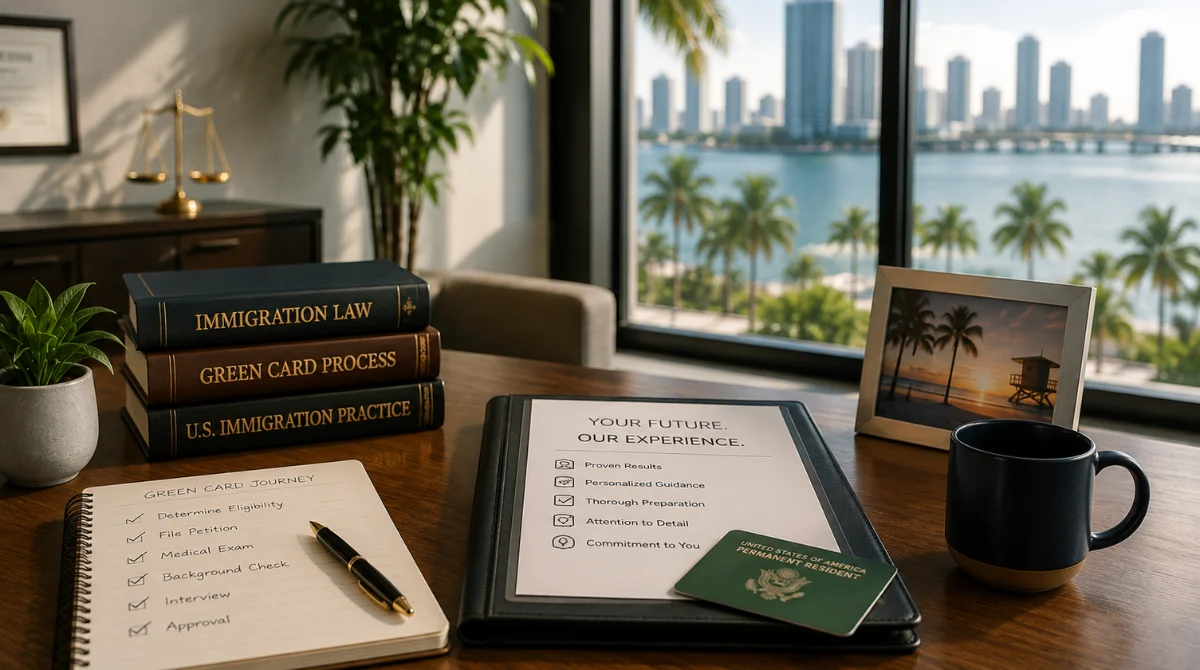
Obtaining a green card involves far more than filling out forms. For many Miami residents, it represents an important step toward permanent residency, keeping families together, pursuing career opportunities, and building a secure future in the United States. Because immigration requirements vary based on each person’s history and eligibility, many applicants turn to experienced green card attorneys in Miami for guidance rather than attempting the process on their own.

USCIS considers several factors when reviewing an adjustment of status application, including eligibility, lawful admission or parole, physical presence, visa availability, and admissibility. The requirements can also vary significantly depending on the immigration category and the applicant’s individual circumstances.

With so many factors to consider, experienced legal guidance can help applicants understand their options, identify potential issues, and approach the green card process with greater confidence.

Why Experience Matters in a Green Card Case

1. Your immigration history matters

A green card application is not simply a paperwork exercise. Previous immigration entries, status issues, family relationships, employment history, or other circumstances may affect which pathway is available.

For example, USCIS identifies specific circumstances that can create adjustment-of-status bars, while also recognizing important exceptions for certain applicants.

An experienced attorney can review the facts before recommending a filing strategy instead of assuming that the most common option is appropriate.

2. Evidence must support the legal case

A strong application requires more than completed forms. Supporting documentation should correspond to the basis for the application and help establish the facts relevant to eligibility.

Depending on the case, this may involve:

  • Identity and civil documents
  • Evidence of a qualifying family relationship
  • Proof supporting an employment-based case
  • Immigration and entry records
  • Financial documentation
  • Evidence addressing potential inadmissibility issues

The right evidence depends on the applicant’s circumstances, so copying another person’s document checklist can be risky.

3. Experienced counsel can identify issues earlier

One of the practical advantages of legal review is identifying potential problems before filing.

A Miami resident might believe they have a straightforward family-based case but discover questions involving a prior visa overstay, previous immigration filing, criminal history, missing records, or admissibility. Those facts can change the analysis.

This is where an experienced immigration attorney can provide value: not by promising an approval, but by helping the applicant understand the legal issues and available options.

Green Card Paths Can Differ

The appropriate process depends on how someone qualifies for permanent residence.

Immigration Path Key Factors
Family-Based Relationship, petition, visa availability, admissibility
Employment-Based Job category, petition, visa availability, eligibility
Cuban Adjustment Eligibility under the applicable law
Other Categories Eligibility, filing requirements, potential barriers


USCIS notes that most adjustment-of-status approvals are based on family or employment relationships, although other categories exist.

For Miami’s diverse immigrant community, that distinction matters. The correct green card strategy begins with the person’s immigration history and legal category – not a generic checklist.

Why Local Miami Experience Can Be Useful

Choosing a Miami immigration lawyer can also make the attorney-client relationship more practical. Local clients may value accessible consultations, familiarity with the South Florida community, and communication that fits their needs.

Casais & Prias states that it has served the South Florida community since 2009 and serves Miami-Dade County, including communities such as Little Havana, Hialeah, Coral Gables, Brickell, and Westchester. The firm also offers in-person, telephone, and virtual consultations.

The firm’s immigration practice covers matters including naturalization, family immigration, marriage based matters, and other immigration services.

What Should You Look for in a Green Card Attorney?

Experience alone should not be the only deciding factor. During an initial consultation, consider whether the attorney:

  • Clearly explains your possible immigration pathway
  • Reviews your immigration history rather than relying on assumptions
  • Identifies potential eligibility or inadmissibility concerns
  • Explains what evidence may be necessary
  • Communicates the risks and limitations honestly
  • Provides a clear explanation of the next steps and legal fees

Be especially cautious about anyone who guarantees a green card. Immigration outcomes depend on the facts of the case and applicable law, and no responsible attorney can guarantee USCIS approval.

The U.S. Department of Justice also warns that immigration consultants, notarios, and document preparers are not authorized to provide legal advice or represent people before immigration courts.

Common Green Card Mistakes to Avoid

Applicants sometimes focus on submitting forms as quickly as possible. That can overlook the more important question: Is this the right application for my circumstances?

Common problems include:

  • Filing without fully reviewing prior immigration history
  • Using outdated or incomplete information
  • Submitting inconsistent evidence
  • Assuming every family-based case follows the same process
  • Ignoring possible admissibility concerns
  • Treating online examples as individualized legal advice

A careful pre-filing review can help clarify these issues before an application is submitted.

For people considering a family-based route, Casais & Prias also provides information about marriage-based immigration and related immigration matters.

Choosing the Right Legal Strategy for Your Green Card Case 

For Miami residents, choosing an experienced green card attorney is ultimately about making informed decisions before filing – not simply having someone complete paperwork. A knowledgeable attorney can evaluate the immigration history, identify potential complications, explain the available pathway, and help organize a case around its specific facts.

Casais & Prias has served the South Florida community since 2009, and founding partner Rolando Casais, Jr. has experience with family- and employment-based immigration matters.

If you are considering permanent residence, contact Casais & Prias for a case evaluation to discuss your circumstances and determine what legal options may be available.

FAQs

Do I need a green card attorney in Miami?

Not everyone is legally required to have an attorney, and some people choose to file on their own. However, professional guidance can be particularly valuable when eligibility, prior immigration history, admissibility, or other complications make the case less straightforward.

What does a green card attorney do?

A green card attorney can evaluate eligibility, identify potential legal issues, help prepare forms and supporting evidence, and guide the applicant through the applicable immigration process. The exact services depend on the case and immigration category.

What is adjustment of status?

Adjustment of status is a process through which an eligible person already in the United States may apply to become a lawful permanent resident without leaving the country for consular processing. USCIS requirements vary according to the applicant’s circumstances and immigration category.

Can an immigration attorney guarantee my green card will be approved?

No responsible attorney can guarantee USCIS approval. An attorney can evaluate the facts, explain risks, prepare the case carefully, and advise the applicant about available legal options.

What should I bring to a green card consultation?

Bring available passports, immigration documents, prior USCIS notices, marriage or birth certificates when relevant, and information about previous U.S. entries and immigration filings. Your attorney can then identify which additional documents are needed for your specific case.

How do I choose a green card attorney in Miami?

Look for a licensed attorney with relevant immigration experience, transparent communication, and a willingness to explain both the strengths and potential problems in your case. You should also verify that the person providing legal representation is authorized to practice immigration law.

How Can a Miami Immigration Lawyer Help With Your Immigration Case?

Immigration cases can involve complicated forms, strict requirements, substantial documentation, interviews, and legal procedures that may be difficult to navigate without professional guidance. Whether you are seeking a green card, applying for citizenship, pursuing family-based immigration, or dealing with other immigration matters, an experienced Miami immigration lawyer can help you understand your options and prepare for the process.

A Miami immigration attorney can do more than complete paperwork. Legal counsel can help evaluate your circumstances, identify potential immigration issues, organize supporting evidence, communicate with immigration authorities, and develop a strategy based on the facts of your case.

Law firms like Casais & Prias provide immigration services involving naturalization, marriage-based immigration, LGBTQ immigration, and other immigration matters. The firm describes its approach as personalized legal representation and has served the South Florida community since 2009.

What Does a Miami Immigration Lawyer Do?

An immigration lawyer helps clients understand and navigate U.S. immigration laws and procedures. Because every immigration case is different, an attorney typically begins by reviewing the client’s immigration history, current status, family circumstances, previous applications, and any legal concerns.

This initial review can help determine which immigration pathway may be appropriate. Depending on the circumstances, that could involve a family-based petition, adjustment of status, naturalization, or another immigration process.

How Can an Immigration Attorney Help With Your Case?

1. Evaluating Your Immigration Options

One of the first ways an immigration lawyer can help is by identifying potential legal options.

People sometimes assume that there is only one way to obtain lawful immigration status. However, eligibility depends on numerous factors, including family relationships, current immigration status, prior entries into the United States, employment circumstances, and other individual facts.

An attorney can review your situation and explain which immigration benefits may potentially apply. This can help you avoid filing an application simply because it appears to be the easiest or most familiar option.

2. Preparing and Reviewing Immigration Forms

Immigration forms require accurate and consistent information. Even a seemingly minor error can create questions about an application or result in delays.

A Miami immigration attorney can help you understand which forms may be required, review the information provided, and identify inconsistencies or missing details before submission.

Professional assistance can be particularly valuable when an application involves a complicated immigration history, previous filings, changes in status, or extensive supporting documentation.

3. Gathering Supporting Documentation

Many immigration applications require evidence in addition to government forms. Depending on the case, supporting documents may include identity records, birth certificates, marriage certificates, financial records, photographs, correspondence, immigration notices, or other evidence.

An immigration lawyer can help determine what documentation may be relevant and organize the evidence so that it supports the legal requirements of the application.

This attention to detail can be especially important in family immigration, marriage-based immigration and naturalization matters.

What Immigration Cases Can a Miami Immigration Lawyer Handle?

The type of assistance available depends on the attorney and the specific circumstances of the case. Casais & Prias identifies several immigration-related practice areas.

Immigration Service How Legal Guidance May Help
Citizenship & Naturalization Reviewing eligibility, preparing documentation, and helping clients understand the naturalization process
Marriage-Based Immigration Guiding spouses through applicable immigration procedures and documentation
LGBTQ Immigration Providing immigration guidance for LGBTQ individuals and same-sex couples

These services demonstrate why choosing an attorney familiar with your particular type of immigration matter can be important.

Can a Miami Immigration Lawyer Help With a Green Card?

Yes, depending on your circumstances, an immigration attorney can help you understand potential pathways toward lawful permanent residence.

A green card case may involve family-based immigration, adjustment of status, consular processing, or another legal pathway. The correct process can depend on factors such as your current immigration status, how you entered the United States, your relationship with a petitioner, and whether there are previous immigration issues.

An attorney can review these circumstances before you proceed and explain the general requirements and documentation associated with your potential pathway.

Because immigration law can change and individual eligibility varies, legal advice should be based on the facts of your specific case rather than a general online checklist.

How Can a Lawyer Help With Marriage-Based Immigration?

Marriage-based immigration can appear straightforward, but proving eligibility and preparing the appropriate documentation can require careful attention.

A Miami immigration lawyer can help spouses understand the applicable process, prepare forms, organize supporting evidence, and address questions that may arise during the case.

Law firms such as Casais & Prias specifically lists marriage-based immigration among its immigration services and states that its immigration attorneys guide clients through the steps associated with immigration through marriage.

The attorney may also help identify potential complications involving previous marriages, immigration history, documentation, or other circumstances that could affect the case.

What About Citizenship and Naturalization?

For permanent residents seeking U.S. citizenship, the naturalization process involves eligibility requirements and an application process that may include an interview.

An immigration lawyer can help review your circumstances, prepare documentation, and explain what to expect during the naturalization process. Casais & Prias states that its naturalization services include helping clients prepare documents and guiding them through the interview process.

Legal guidance may be particularly useful if you have questions about your travel history, previous immigration applications, or other aspects of your immigration record.

What Should You Bring to an Immigration Lawyer?

Before your consultation, gather as much relevant documentation as possible. Depending on your situation, this may include:

  • Passport and identification documents
  • Current or expired immigration documents
  • USCIS notices and previous applications
  • Birth and marriage certificates
  • Divorce records, if applicable
  • Documents concerning family members
  • Immigration court documents
  • Employment or financial records when relevant
  • Previous correspondence with immigration authorities

It is also helpful to create a timeline of important immigration events. Include dates of entry into the United States, previous visas or applications, marriages, changes in status, and interactions with immigration authorities.

Be honest about your history. An attorney needs accurate information to provide meaningful legal guidance.

What Should You Expect From an Immigration Lawyer?

An immigration lawyer should help you understand your legal position rather than simply tell you which forms to complete.

During a consultation, you may discuss your immigration history, goals, available options, documentation, potential complications, and the next steps in your case.

The attorney may also explain what additional information is needed before making a recommendation. This is particularly important because immigration law is highly fact-specific.

Casais & Prias describes its practice as providing personalized and experienced legal representation, with a focus on identifying individual client needs.

Why Choose Casais & Prias for Immigration Assistance in Miami?

Casais & Prias is a South Florida law firm offering immigration and other legal services. Its website states that the firm has served the South Florida community since 2009 and provides personalized representation for immigration cases involving areas such naturalization, marriage-based immigration, and LGBTQ immigration.

The firm also provides virtual, telephone, and in-person consultations, which can make it easier for Miami-Dade residents to discuss their immigration concerns with an attorney.

If you are unsure which immigration option may apply to you, an initial case evaluation can be a useful opportunity to explain your circumstances and determine what information should be gathered next.

What Should You Do Before Filing an Immigration Application?

Avoid rushing into an immigration filing without first understanding the requirements. Start by reviewing your immigration history, gathering relevant records, identifying your goals, and preparing questions for an attorney.

A lawyer can help you understand potential eligibility issues and identify documentation that may strengthen your application or clarify your circumstances.

Taking this step before filing may help you make a more informed decision about your immigration case.

Get Personalized Guidance for Your Immigration Case

An immigration case is more than a collection of forms. The right legal strategy depends on your immigration history, family circumstances, goals, documentation, and any potential complications.

A Miami immigration lawyer can help you evaluate your options, prepare immigration forms, organize supporting evidence, understand the process, and address legal challenges that may arise. Whether you are pursuing a green card, citizenship and naturalization, marriage-based immigration, LGBTQ immigration, or assistance with other immigration matters, individualized legal guidance can help you approach your case with greater clarity.

Casais & Prias offers immigration services in South Florida, including naturalization, marriage-based immigration, LGBTQ immigration, and other matters. The firm also offers virtual, telephone, and in-person consultations.

FAQs

Do I need an immigration lawyer for my case?

You are generally allowed to handle many immigration matters yourself, but legal representation can be valuable when eligibility, prior immigration history, evidence, or court proceedings make a case more complicated. An attorney can assess your circumstances and explain available options.

How can a Miami immigration lawyer help with a green card?

A lawyer can review your eligibility, identify the appropriate green card process, prepare or review forms and supporting evidence, and help you prepare for required USCIS procedures. The specific strategy depends on how you qualify for permanent residence.

Can an immigration lawyer represent me in immigration court?

Yes, an attorney who is authorized to practice before the immigration court may represent you in eligible proceedings. EOIR requires practitioners to follow its appearance and representation procedures.

Can a lawyer help if my immigration application was denied?

Potentially. The appropriate response depends on why the application was denied and the type of proceeding involved, so an attorney should review the decision and your case history before recommending an option.

What should I bring to an immigration lawyer consultation?

Bring your immigration documents, prior applications or notices, identification, relevant family records, and information about previous entries, departures, visas, arrests, or immigration proceedings. Complete and accurate information helps the attorney evaluate your situation.

How do I choose an immigration lawyer in Miami?

Look for an attorney experienced with your specific type of immigration matter who communicates clearly and provides a realistic assessment of your options. You should also verify that the person is authorized to provide immigration legal representation.

What Should You Expect During an Immigration Consultation in Miami?

An immigration consultation is the first meeting with an immigration attorney to understand where you stand, what options may be available, and what legal issues could affect your immigration goals. Whether you are seeking a green card, preparing for naturalization, considering marriage-based immigration,or dealing with an immigration-related complication, the consultation should be more than a quick review of paperwork.

For people in Miami and throughout South Florida, an immigration consultation can provide a clearer picture of the process before important decisions are made. A qualified immigration attorney can review your circumstances, identify potential concerns, explain possible pathways, and help you understand what steps may come next.

What Is an Immigration Consultation?

An immigration consultation is a meeting with an immigration attorney to discuss your personal immigration circumstances and legal objectives. The attorney may review your immigration history, family relationships, current status, previous applications, travel history, criminal or immigration issues, and other facts that could affect eligibility.

The purpose is not simply to determine which form you need to file. Immigration law can involve multiple forms, deadlines, eligibility requirements, and procedural considerations. A consultation allows an attorney to look at the larger picture before recommending a course of action.

At Casais & Prias Law, immigration services include matters involving  naturalization, marriage-based immigration, LGBTQ immigration, and other immigration cases.  

What Will the Attorney Ask During the Consultation?

Expect the attorney to ask detailed questions about your immigration history. Some questions may seem unrelated to your immediate goal, but seemingly small details can sometimes affect eligibility or the appropriate immigration strategy.

Depending on your situation, questions may involve:

  • When and how you entered the United States
  • Your current immigration status
  • Previous visas, petitions, or applications
  • Whether you have ever been in removal or deportation proceedings
  • Your family relationships and potential immigration sponsors
  • Your marriage history, if applicable
  • Previous immigration violations
  • Criminal arrests or convictions
  • International travel and periods spent outside the United States
  • Previous asylum or humanitarian applications
  • Your long-term immigration objective

Answering questions honestly and completely is important. An attorney can only provide useful guidance when the relevant facts are available.

What Documents Should You Bring?

If possible, bring documents that help establish your immigration history. You do not necessarily need to have every document before scheduling a consultation, but organized records can make the discussion more productive.

Common documents may include your passport, visa, I-94 record, green card, employment authorization document, immigration notices, prior USCIS correspondence, marriage or birth certificates, and copies of previously filed immigration forms.

If you have received a Notice to Appear, Request for Evidence, Notice of Intent to Deny, immigration-related correspondence, or another immigration notice, bring it with you. These documents may contain deadlines or procedural information that an attorney needs to review.

Do not assume that an old document is irrelevant. A previous application, denial, entry, or immigration proceeding can sometimes affect what options are available today.

Will the Attorney Tell You Which Immigration Path Is Right for You?

One of the most valuable parts of a consultation is understanding the potential immigration pathways that may apply to your circumstances.

For example, someone married to a U.S. citizen may be interested in marriage-based immigration, while a lawful permanent resident may be preparing for naturalization. 

The correct strategy depends on the individual facts. An attorney may explain whether a particular option appears available, what requirements must be satisfied, what documentation may be needed, and what potential complications should be addressed before filing.

This is particularly important because filing the wrong application or overlooking an eligibility issue can create unnecessary delays or complications.

What If You Have a Complicated Immigration History?

Do not avoid a consultation simply because your immigration history is complicated.

Previous overstays, unauthorized employment, multiple entries, prior applications, removal proceedings, criminal matters, or inconsistent information in earlier filings may require additional analysis. These issues do not necessarily mean that you have no immigration options, but they can make professional legal review especially important.

An immigration lawyer can help distinguish between straightforward eligibility questions and issues that may require a more detailed strategy.

The goal of the consultation should be to identify potential problems before they become larger problems.

How Long Does an Immigration Consultation Take?

The length of a consultation can vary considerably. A relatively straightforward question may require less time than a case involving multiple immigration applications, previous proceedings, or complicated family circumstances.

You should focus less on the number of minutes and more on whether you leave the consultation with a better understanding of your situation.

A productive consultation should help answer questions such as:

  1. What immigration options may be available?
  2. What eligibility requirements apply?
  3. What documents or evidence may be needed?
  4. Are there potential legal complications?
  5. What should happen next?
  6. What additional information does the attorney need?

What Should You Ask the Immigration Attorney?

A consultation should be a two-way conversation. You should feel comfortable asking questions about your potential case and the proposed legal strategy.

Consider asking:

  • What immigration options might apply to my situation?
  • What issues could make my case more complicated?
  • What documents should I begin collecting?
  • Are there deadlines I should be aware of?
  • What are the major steps in the process?
  • What happens after the application is filed?
  • Will I need an interview or additional evidence?
  • What should I avoid doing while my case is pending?

You can also ask how the attorney approaches communication, document preparation, case updates, and future immigration needs.

How Can You Prepare Before Your Consultation?

The best way to prepare is to create a simple timeline of your immigration history. Write down important dates, including entries into the United States, visa applications, marriages, previous filings, approvals or denials, and any immigration court proceedings.

Gather whatever documentation you already have and make a list of questions. If you are unsure about a fact, do not guess. Tell the attorney that you are uncertain so the issue can be researched or verified.

Most importantly, be completely honest. Immigration cases are based on facts, and withholding an important detail can make it more difficult for an attorney to properly evaluate your options.

What Happens After the Consultation?

The next step depends on your circumstances. You may leave with a document checklist, recommendations for obtaining additional records, a proposed filing strategy, or a need for further legal research.

If you decide to retain an attorney, the firm may begin collecting documents, preparing forms, organizing supporting evidence, and developing the appropriate legal strategy. For some cases, the process may involve USCIS applications and interviews; others may require additional proceedings or legal representation.

The important point is that the consultation should establish a direction rather than encourage you to file immediately without understanding the consequences.

What to Expect From Your Miami Immigration Consultation 

An immigration consultation in Miami should give you more than a list of forms. It should help you understand your immigration history, identify possible options, recognize potential complications, and determine what information or evidence may be necessary for the next stage.

Whether your goal involves green card applications, citizenship and naturalization, marriage-based immigration, LGBTQ immigration, asylum, or another immigration matter, obtaining individualized legal guidance before filing can help you make more informed decisions. 

If you are considering your immigration options in Miami or Miami-Dade County, Casais & Prias Law offers case evaluations and immigration legal services tailored to individual circumstances. The firm states that it serves clients throughout Miami-Dade County and offers virtual, telephone, and in-person meetings.

FAQs

What happens during an immigration consultation in Miami?

An immigration attorney typically reviews your immigration history, current status, family circumstances, previous applications, and immigration goals. The consultation can help identify potential options, legal concerns, required documents, and appropriate next steps. Casais & Prias offers immigration case evaluations and handles matters including asylum, naturalization, removals, marriage-based immigration, and LGBTQ immigration.

What documents should I bring to an immigration consultation?

Bring relevant immigration documents such as your passport, visa, I-94, green card, employment authorization document, USCIS notices, previous applications, and family or marriage records. If you have received an immigration court document or request from USCIS, bring that paperwork as well.

Can an immigration lawyer tell me which immigration option is best for me?

An attorney can review your individual circumstances and explain immigration pathways that may be available, along with potential eligibility issues and documentation requirements. The appropriate strategy depends on the specific facts of your case.

Can I have an immigration consultation remotely?

 Yes. Casais & Prias states that it offers virtual, telephone, and in-person consultations and meetings, providing flexibility for clients throughout Miami-Dade County.

What immigration services can I discuss during a consultation?

Depending on your circumstances, you may discuss green card applications, citizenship and naturalization, marriage-based immigration, asylum, LGBTQ immigration, removal matters, and other immigration issues. Casais & Prias lists these among its immigration services and has served the South Florida community since 2009.